

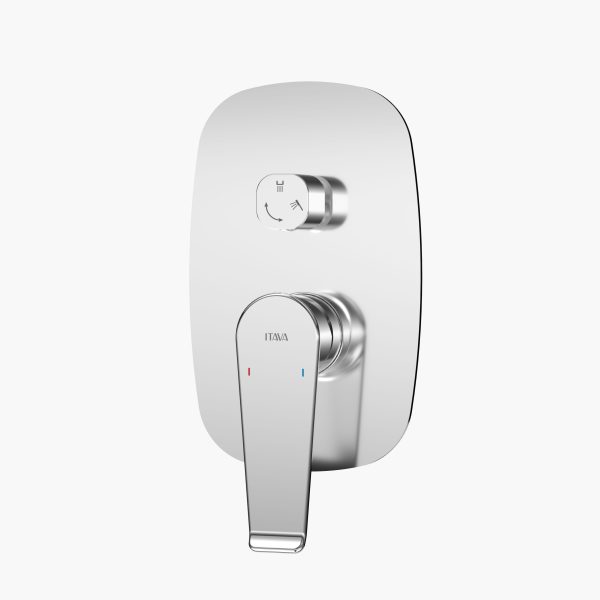
When you plan a new bathroom or a remodel, the shower spot often sparks much talk. You might hear experts, workers, and pals mention “concealed shower mixers” like they are common today. Yet, you may feel more at ease with open showers since they are simpler to picture. This guide takes you through what a concealed shower mixer is, how it runs, where it does well, and where you should pause and think. So, you can pick with certainty instead of doubt.
What Is a Concealed Shower Mixer?
In easy words, a concealed shower mixer is a valve tucked away in the wall. Only the cover plate, knob, and spouts show up. Rather than a large metal piece on the outside, the key valve part rests in a hidden spot. You still adjust the heat and stream with a knob. But the “gear” hides behind the wall layer. This gives your shower a neater view.
Basic Definition
A concealed shower mixer handles hot and cold water. It blends them to the warmth you pick. Then, it sends the mixed water to one or more spots like a big shower head or a hand spray. The mixer core gets placed inside the wall. Often, it uses a special case or box. Meanwhile, only the pretty plate and knob stay out. Unlike open mixers, a concealed style keeps tubes, links, and the valve itself hidden. This creates a quieter, relaxed feel in your bathroom.
Main Components of a Concealed Mixer
Even if you just see a flat plate and a knob, more stuff happens behind the wall. Here are the parts:
- Mixer valve body – The “motor” that mixes hot and cold water.
- Concealed housing or box – It guards the valve from wet and dirt. It also aids the worker in setting the body at the right spot. In some types, this is a dedicated concealed shower valve with a box.
- Trim plate and handle – The parts you touch, often with a basic single lever.
- Diverter (if included) – It directs water to various spots, such as the top shower, hand spray, or faucet.
- Outlet connections – Tubes going to each shower head or spot.
Once you know these bits, many drawings and item pages become clearer.
How Does a Concealed Shower Mixer Work?
You may ask what goes on when you twist the knob. The idea is quite basic, even if the valve looks tricky. At its heart, the mixer manages two things. It handles how much water comes out. And it sets how warm it feels on your skin.
The Temperature-Mixing Process
Hot and cold water lines feed into the mixer body. Inside the valve, a part or mixing tool changes the mix of hot and cold as you move the knob. When you turn the knob, you alter the share of hot and cold water. So, the output warmth shifts from cool to mild to hot.
Better models use a heat-sensing part. This bit reacts to warmth changes right away. It tweaks the flow of hot and cold water to hold the output warmth steady. That means if someone flushes a toilet or turns on a tap elsewhere, you still enjoy a constant shower. You avoid quick jumps in heat.
Water Flow Control and Diverters
In many concealed setups, one knob runs both warmth and amount. Pushing or lifting the knob often sets the volume. Turning it sets the warmth.
If the mixer has a diverter, that part determines where the water flows. One spot might send water to the top rain shower. Another hand spray. Sometimes a third to a spout. In a two-task setup, one mixer deals with two spots. This fits most home showers just fine.
Pressure and Thermostatic Features
Steady water push counts as much as warmth. Some concealed mixers add push-balancing or heat-sensing parts. These help keep the flow comfy when other taps in the home open or shut. This works well in tall houses or flats where folks use water in different rooms at once. No one likes a shower with a quick, sharp blast of cold water.
Advantages of a Concealed Shower Mixer
If you chat with room planners or owners who have just fixed up, you hear the same notes about concealed mixers. “The shower looks neater,” “There is extra room,” and “It feels more fancy.” These come from real, handy perks.
Cleaner and Minimalist Bathroom Aesthetics
Since the valve body and tubes are hidden in the wall, the seen area shrinks to a thin plate and knob. The outcome is a smooth, clear wall face. Tiles, rock, or other covers become the main sight, not chunky gear. This matches well with fresh simple bathrooms, spa-like areas, or any style where shapes stay basic and quiet.
Space-Saving for Compact Bathrooms
When the mixer rests inside the wall, you get a little more useful room in the shower area. In tiny flats or small guest baths, this can make the shower feel less tight. A concealed mixer with a basic rail set or top shower keeps arms away from sticking-out metal bits.
Lower Risk of Accidental Impact
With less gear poking out, there is less chance of hitting a hot metal part. This tiny point helps families with kids or older folks, mainly in slim shower spots. Fewer open parts also mean fewer metal spots at risk of marks or bumps from daily use.
Easier Cleaning of Visible Parts
Wiping a flat cover plate and single knob takes much less work than cleaning around an open valve body and many joints. Grime, soap bits, and hard water marks have fewer spots to cling. For busy homes, that small time save each week builds up over the years.
Better User Experience in Daily Use
Most concealed mixers come with smooth action and clear warmth control. A single lever lets you hit a known “comfy spot” each day. When paired with a rain shower and hand spray, a two-function wall-mounted shower valve gives you choices without sight mess.
Potential Drawbacks to Consider
Of course, concealed shower mixers are not ideal for every job. Before you pick, it helps to look straight at the swaps. That way, you skip shocks during build or later fixes.
Need for Wall Modification and Depth
A concealed mixer needs enough wall room to hold the valve body and box. If your current wall is very slim or made with light setups, there might be bounds. In some cases, workers add a fake wall to make space. This cuts the shower area a bit. Knowing this soon helps you select the right item and plan.
Higher Initial Installation Cost
Next to open mixers, concealed systems often cost more in stuff and work. The valve itself may use trickier parts or cases. Workers need more time for exact placement, water-proofing, and checks. Over the bathroom’s life, the look and use often seem worth it. But the start budget still counts.
More Complex Access During Repairs
If a valve breaks, reaching it is not as easy as loosening two nuts on the top. Good concealed systems let access through the cover hole, mainly when they use a proper concealed shower valve with a box. Yet, bad early plans can make fixes tougher than needed. This is why many folks like to match a concealed setup with an open one in detail. If you want a close look at cost, fixes, and style, a guide on concealed vs exposed shower mixers can help a lot before you agree.
Best Use Cases for Concealed Shower Mixers
Concealed mixers fit almost anywhere. But they stand out best in some spots. Thinking about these helps you see if they match your next bath job.
Modern Minimalist Bathroom Renovations
When the aim is a quiet, art-like bathroom with big tiles, basic shapes, and a focus on light, a concealed mixer is nearly the go-to pick. The flat cover plate blends into the wall. It lets rock or tile designs take the lead. This shows up often in main bathrooms or fancy flats where the shower links in sight with the rest of the room.
Small Apartments and Compact Bathrooms
If your shower spot is narrow, an open mixer takes up look and real room. A concealed mixer keeps the area around your arms and sides more open. Pairing a small mixer with a thin rail set or shelf in the wall helps dodge that “packed” feel many tiny baths have.
Premium Homes and Hospitality Projects
Fancy houses, small hotels, and rented flats often use concealed mixers to fit their style talk. Guests may not ponder the valuable kind. But they sense the result: neat walls, easy control, and a shower that looks thought-out, not quick-fixed.
Multi-Outlet Shower Systems
If you want both a top rain shower and a hand spray in one area, a two-function wall-mounted shower valve with a diverter is a useful fix. It keeps controls in one spot while giving choices for chill showers or fast washes. In family homes, that bend helps a lot over time.
How to Choose the Right Concealed Mixer for Your Bathroom
Once you settle on a concealed mixer, the next question is which one. Item pages list many tech words. Focusing on a few main points makes the pick simpler and less tense.
Match the Valve to Your Water System
First, check your home’s water pressure and heat setup. Some parts do better with a strong push, while others fit mixed or low-push systems. Your worker or seller can help check the fit. A good match gives smoother control and steadier warmth.
Decide How Many Functions You Need
Think about how you really shower. Do you need just a hand spray, or a rain shower plus hand spray, or even more spots? For most homes, a dual-task setup is plenty. A two-outlet wall-mounted shower valve can handle this neatly without making the wall a mess of buttons.
Check Compatibility With Trims and Accessories
Make sure the valve body, cover kit, and shower set work as a team. This covers link sizes, flow speeds, and style talk. Basic, matching shapes across the shower area make the space feel quiet and planned.
Look at Materials and Finish Quality
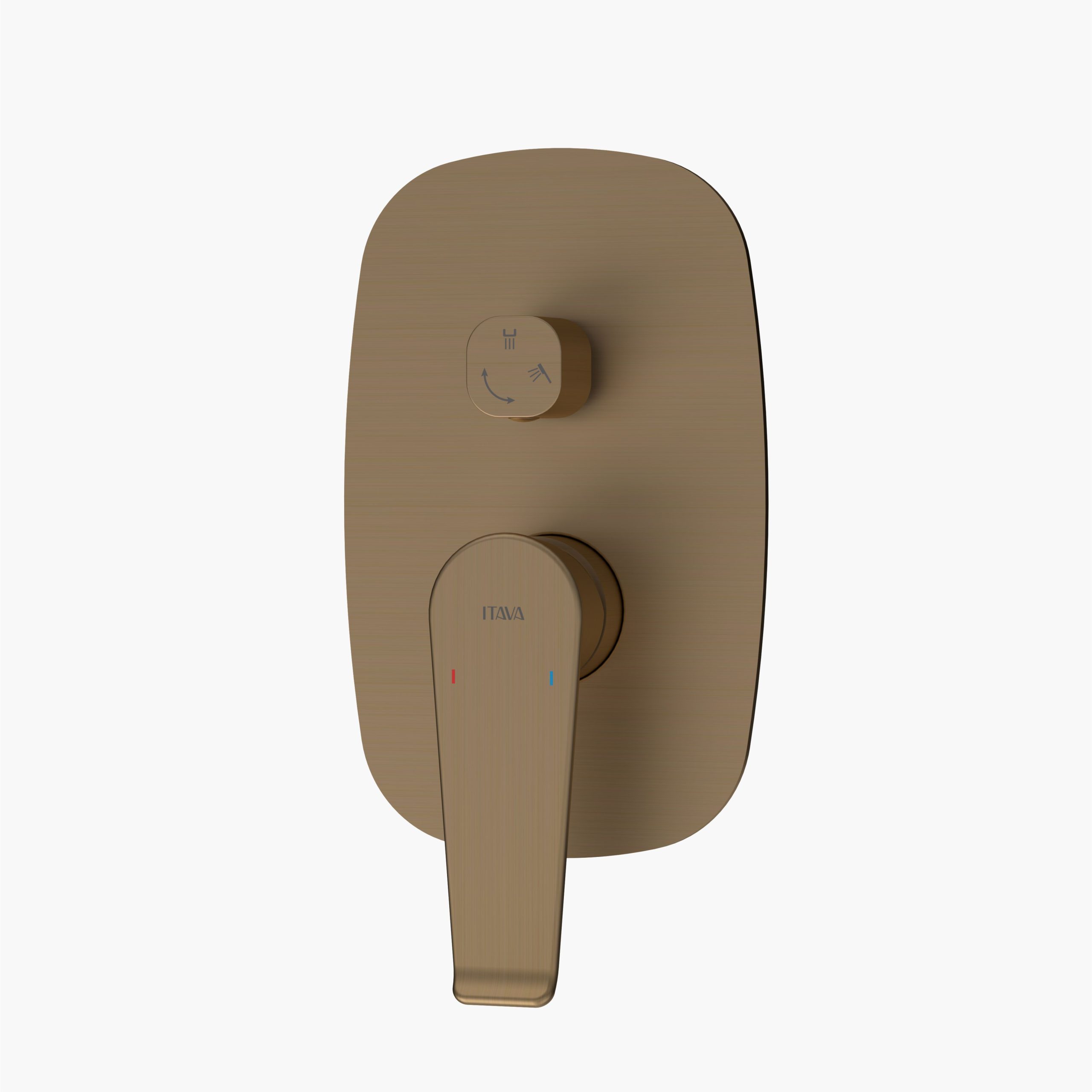
Valves and covers that use strong brass and good parts tend to last longer. They feel nicer in the hand too. Finishes like soft nickel, flat black, or warm metals should match other items in the bath. A steady finish across mixers, shower sets, and add-ons is a small touch that boosts the whole room.
Installation Tips and Common Mistakes
Even a fine concealed mixer can bring issues if the setup is rushed. A bit of care now saves much hassle later.
Plan Wall Depth and Position Early
Before any tile work kicks off, check the mixer’s drawing. Confirm the needed hole depth. The valve must sit at the right gap from the door wall so the cover plate fits flat. Setting too deep or too shallow is a top slip. It leads to odd gaps or hard knob moves.
Keep the Valve Level and Accessible
The mixer body needs to sit evenly, both side to side and up and down. A slanted cover plate not only looks bad but also hurts the knob’s feel. Use a level tool and follow the mounting guide. If the item uses a dedicated concealed shower valve with a box, treat that box as your guide for line-up and future reach.
Protect the Valve During Construction
During tile and grout work, dust and bits can slip into open links. Covering the valve and inlets for a bit keeps the inside clean. A fast rinse and test before final cover setup cuts the risk of early leaks.
Test All Functions Before Handover
Once the shower area is done, test the warmth range, flow, and diverter spots. Try various mixes: rain shower, hand spray, and any other spot. If your mixer is a dual-function type, see it not just as a “tap behind the wall” but as the core of your shower setup. Quick checks now stop sudden problems months on.
Conclusion
A concealed shower mixer joins fresh looks, comfy control, and wise room use. It tucks the tech bits behind the wall. It lets you focus on water, light, and covers instead of gear. At the same time, it calls for more plans, a bit higher spending, and careful setup.
If you take your job step by step—check the wall depth, pick the right number of spots, match the mixer to your water setup, and team with a skilled worker—you get a shower that feels quiet and trusty each day. When you also match how a hidden mixer compares to an open version using a clear guide on concealed vs exposed shower mixer, your pick gets much simpler.
ITAVA as Your Shower Mixer Partner
ITAVA is a global customized kitchen and bathroom brand that puts design and high-end quality at the center of every product. Founded together with Italian designer Itamar Harari, ITAVA focuses on original concepts that treat water as part of a complete spatial experience, not just a utility. The collections cover mixers, showers, toilets, basins, cabinets, and more, all built around clear lines and refined details for modern homes. From layout planning to finished fittings, ITAVA pays close attention to both function and atmosphere, so your bathroom feels coherent instead of pieced together. For projects that value long-term comfort, visual harmony, and reliable performance, ITAVA offers a solid base to build from. itavaglobal.com+1
FAQ
Q1: What is the main difference between a concealed shower mixer and an exposed one?
A: A concealed mixer hides the valve body and pipework inside the wall, so only the trim plate and handle show. An exposed mixer sits on the wall surface with the whole body visible. Concealed systems look cleaner and save a bit of space, while exposed systems are simpler to install and easier to reach for service.
Q2: Is a concealed shower mixer difficult to maintain?
A: Maintenance is not usually difficult if the mixer is installed correctly and the product is designed for front access. You or your plumber can remove the trim plate and handle to reach the cartridge in most cases. Problems arise mainly when the valve is set too deep or the wall opening is too small, so good early planning matters more than frequent repairs.
Q3: Do you need a very thick wall for a concealed mixer?
A: You do not need an unusually thick wall, but you do need enough depth for the valve body and its box. Many modern valves are designed to fit common stud or brick walls, sometimes with a small adjustment layer. Before construction starts, it is smart to check the product’s depth range and confirm it with your installer, especially in very tight spaces.
Q4: Is a concealed shower mixer worth the extra cost?
A: For many homeowners, yes. You pay more upfront in product and labor, but you gain a calmer look, easier cleaning of visible parts, and a more refined feel in daily use. If you care about design continuity across the bathroom and plan to stay in the home for a while, that extra spend often feels justified every time you step into the shower.
Q5: Can a concealed mixer handle both a rain shower and a hand shower?
A: Yes. A dual-function concealed mixer with a built-in diverter is made for that setup. One handle controls temperature and flow, while the diverter switches water between the overhead shower and the hand shower. This keeps controls tidy on the wall and gives you flexible shower options without turning the space into a maze of separate valves.