

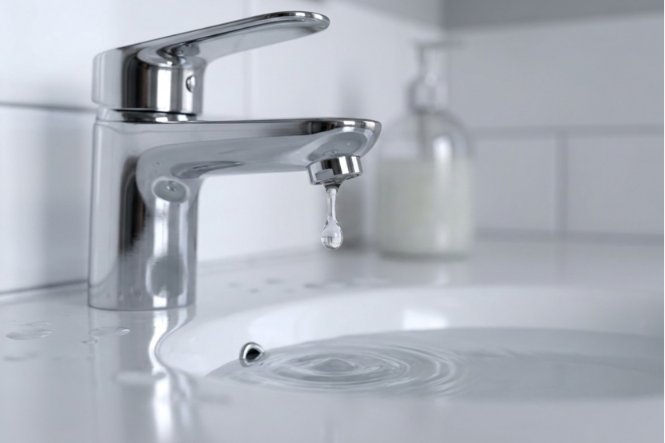
Dealing with a leaking bathroom faucet is way more than just a tiny bother. You work hard all day, so you deserve a quiet home. But that constant plink-plink sound in the middle of the night really ruins your sleep. It keeps you awake for hours. Worse than that, a tap dripping just ten times a minute wastes hundreds of gallons of water over a full year. You will see that huge waste directly on your monthly water bill.
Sometimes, the wet puddle on the sink is a very easy fix. Other times, the parts inside are totally chewed up by hard water. This means the fixture is just too old to save. Let us look at what goes wrong under the handle. Then, we can figure out the best move for your own bathroom to stop the mess.
4 Common Causes Behind a Leaking Bathroom Faucet
Getting to the real root of the problem saves a lot of time. It also prevents big headaches later on. You really do not want to take the whole plumbing setup apart if the issue is just a loose nut. Here are the main dripping tap causes that professional plumbers see every single day.
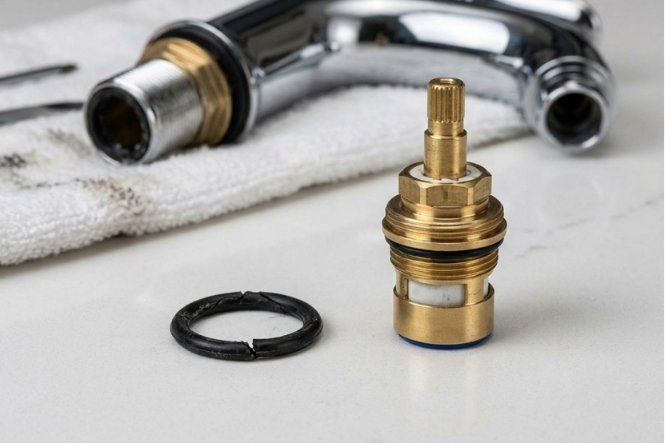
Worn-out O-rings are usually the very first suspects. This small rubber ring sits near the base. It seals the handle tight. Daily turning and twisting wear the soft rubber down over time. When the ring gets loose or gets a crack, water sneaks out. It pools right on the sink top.
Corroded valve seats cause deeper problems inside. The valve seat is the main connection point. It sits between the faucet body and the spout. Hard water minerals build up right here over the years. That chalky white crust slowly eats away at the metal seal. Once the metal gets little holes in it, you have a big problem. No amount of tightening will stop the water from pushing right through the metal.
Damaged cartridges ruin a lot of modern fixtures. Most modern taps use a special cartridge system. This part controls the hot and cold water mix. Cheap plastic cartridges crack very easily under high water pressure. Do you notice a steady drip coming straight out of the spout when the handle is completely off? A busted cartridge is almost always to blame for this.
Loose internal parts happen over a long time. Sometimes the packing nut simply shakes loose. This happens after you use the sink thousands of times. A quick fix with a basic wrench might be all it takes. You just need to tighten things up again.
Quick Troubleshooting: Can You Fix the Drip?
Before you grab your tools and try to fix a leaky faucet, you must do one thing. Always shut off the main water valves under the sink. You might need a flashlight to see clearly under there. It gets very dark inside bathroom cabinets. Skipping this step usually ends in a mini flood inside your bathroom. Everyone forgets this rule at least once. Cleaning up soaked toilet paper rolls is really no fun at all.
Pop the little decorative cap off the top of the handle. Next, grab a small Allen wrench. Take a good look inside the metal housing. If you see a cracked rubber washer, you are in luck. Maybe you just see a loose nut. A quick trip to the local hardware store for a cheap two-dollar replacement part might completely solve the issue. While you have the tap open, soak the dirty parts in some plain white vinegar. This melts away the hard water crust very well.
But doing your own repairs hits a wall very fast. You might pop the handle off and look at the heavily rusted mess inside. Then you realize you cannot even take the screws out without breaking them. If the metal looks very corroded, stop right there. Sometimes the metal gets so sharp from rust that you might cut your hand. Maybe you cannot find a matching part for an old ten-year-old model. Forcing a fix usually just breaks the pipe connections.
Repair vs Replace: When Is It Time for a New Basin Mixer?
Throwing twenty dollars at new replacement parts makes sense one time. Doing it three times in a single year does not make sense at all. When bad rust sets in, you have a choice to make. Or maybe the outside finish starts peeling off in flakes. Then, it is often much smarter to replace bathroom faucet fixtures entirely.
Think about the actual time you spend working on it. Fighting with a rusted fixture from ten years ago takes hours of anger. You end up making lots of trips to the store. You try to match a part that nobody sells anymore. Putting in a fresh new tap is usually much faster and easier.
Plus, swapping out an ugly, outdated tap is a great idea. It is one of the quickest ways to change the look of a tired, old bathroom. You are already doing the hard physical work to pull the old unit out. So, putting a shiny new piece of hardware in its place is smart. It gives you an instant beauty upgrade with no extra effort.
What to Look for in a Lasting Replacement Faucet
If you decide to get a whole new unit, do not just grab the cheapest box off the store shelf. Discount hardware store specials look great on day one. But they hide cheap, weak plastic parts inside the metal shell.
Always look for fixtures that use a premium ceramic disc cartridge. These internal parts slide over each other very smoothly. They control the water flow perfectly. They do not wear out or dry rot like older rubber washers do. This specific kind of tech is how you get a setup that stays completely leak-proof for many years.
Solid brass construction is another really big factor. Brass handles constant wetness very well. It does not rust from the inside out. It weighs a lot more than cheap zinc metal blends. That heavy, solid build means it will live a much longer life in your home.
Spotlight on the ITAVA Patrizio Series
When looking for a brand that really holds up over time, ITAVA stands out from the crowd. As a company focused on top-tier bathroom collections, ITAVA builds products that mix strong durability with a very modern look. They make fixtures designed to fix common plumbing headaches right away. They use the best materials like solid brass. They also use advanced ceramic valves. Because of this, they make sure you are not stuck fixing leaks every few years. Their main goal is to give the bathroom a clean, useful upgrade that truly lasts a long time. This keeps your home maintenance very low. It also keeps the room looking beautiful.
A perfect example of this great build is the ITAVA TF-PAT7002. This specific model is a fresh 2-hole basin mixer. It separates the water spout and the control handle into two totally different pieces. This cool setup keeps the sink area looking incredibly clean. It also makes wiping down the counter much easier. Dirt has fewer tight corners to hide in. You can look at their full range of mixers online. You will see how simple design changes a whole room. The heavy brass build and exact cartridge mean the handle works smoothly every single time. It gives you exact heat control without any annoying drips after you turn it off.
FAQ
Q1: How much does it cost to fix a leaking tap?
A: A simple fix you do yourself with new washers costs under ten dollars. If you hire a professional plumber, it usually costs between one hundred and two hundred dollars. It depends a lot on where you live and how hard the job is.
Q2: Can a dripping tap cause hidden water damage?
A: Yes, it really can. If the water runs down the back of the sink hardware, it causes big trouble. It will not go directly into the drain. Over time, it will rot the wooden cabinet. Mold can grow in the dark corners. It can even ruin the hard floor underneath your sink.
Q3: How long do bathroom basin mixers usually last?
A: A high-quality brass fixture with a ceramic valve will easily last fifteen to twenty years. You can use it every single day. Cheaper models with cheap plastic inside might start breaking and leaking around year five.
Q4: Is it hard to put in a new mixer by yourself?
A: Not at all. You just need some basic hand tools like a wrench. Also, the sink needs to have the correct holes already drilled in the top. If you have those things, you can usually swap the old one out in less than one hour.
Q5: Why does the new faucet drip for a second after turning it off?
A: This is completely normal and nothing to worry about. A small amount of water stays inside the tip of the spout. It drips out as the pressure drops. If it stops totally after a few short seconds, there is no real leak at all.