

You see the same number on two product pages and assume the showers will feel the same. Then you try them in real homes, and one feels full and steady while the other feels thin or “weak.” That gap is exactly why shower flow rate is so often misunderstood. The rating is useful, but it is not the whole story. In real bathrooms, the same number can deliver a very different experience.
This guide explains why the same GPM feels different in practice. It keeps the focus on real causes: valves, plumbing paths, pressure changes, and multi-outlet routing. Once you understand those parts, you can stop guessing and start diagnosing.
What GPM Ratings Actually Tell You — And What They Don’t
A listed GPM (or LPM) is a measured output under specific test conditions. It tells you what the shower head can deliver when water supply conditions match the test. That is helpful. It sets expectations. It also helps you compare products in a simple way.
But a label does not describe your bathroom. It does not show how long your pipe run is, how many fittings and turns are in the line, or how much resistance is inside the valve. It also cannot predict what happens when someone else uses water in the home.
That is why two setups with the same rated shower flow rate can feel completely different. The rating is a ceiling. The system decides what you actually get under normal use.
Why the Same Shower Flow Rate Can Feel Different
If the same GPM feels different, it is usually because the system upstream changes the delivery. Think of it like a road. The shower head is the exit ramp. The valve and plumbing are the highway. If the highway is narrow, full of turns, or has a bottleneck, the exit ramp cannot magically fix traffic.
Most real differences come from three places: valve resistance, plumbing layout, and pressure behavior.
Valve Design and Internal Resistance
A shower valve does more than mix hot and cold. It also controls how much water can pass and how smoothly it can be adjusted. Inside the valve body, water flows through channels and openings. The shape and size of those pathways create resistance. More resistance can mean less delivered flow, even if the shower head is rated higher.
Valve design also affects stability. A well-designed valve helps keep the flow consistent as you adjust temperature or as supply conditions change and a less capable design may feel “touchy.” It may also feel uneven when you try to dial in a comfortable setting.
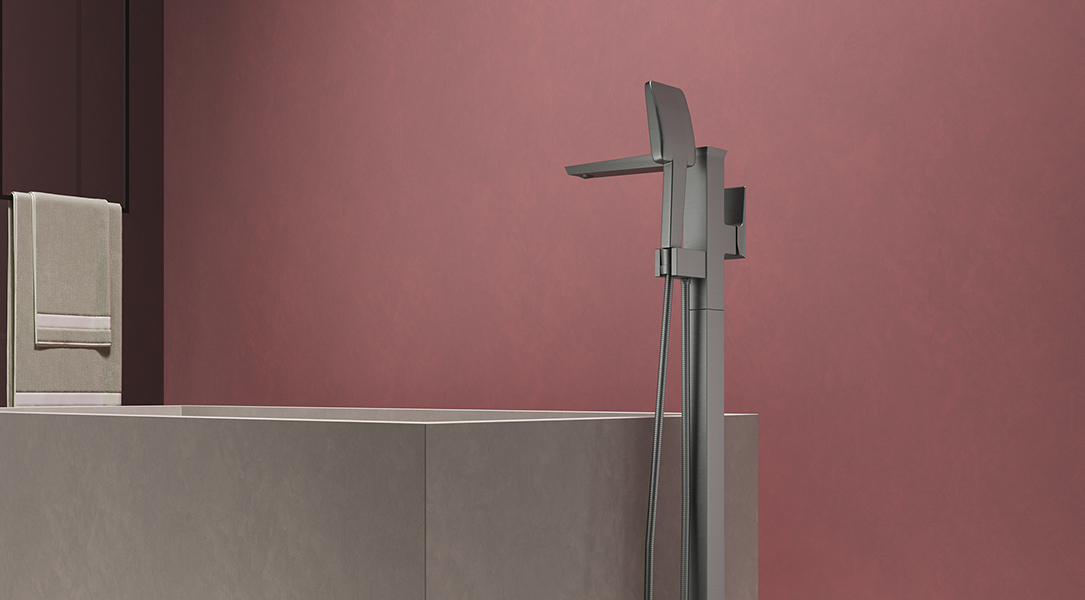
In floor-standing installations, a floor-standing shower bath mixer with a concealed box plays a central role in how flow is regulated before reaching the shower head.
Pipe Length, Diameter, and Fittings
Plumbing layout is easy to ignore because you cannot see most of it. But it has a real effect. Long pipe runs create more loss. A smaller pipe size can limit how much water can move through the system. Every turn, connector, and valve adds friction. That friction reduces what reaches the shower head.
This is why a bathroom close to the water source may feel stronger than a bathroom at the far end of the home. It is also why older homes sometimes feel different from newer ones, even with the same shower head rating.
Water Pressure Fluctuations in Real Homes
Pressure is not constant in many households. It changes with the time of day, supply conditions, and other fixtures being used. You feel this when the shower changes the moment someone turns on a faucet, flushes, or starts a washing cycle.
When pressure drops, the delivered shower flow rate can drop too. If your system is already near its limit, that drop feels dramatic. In these moments, a shower can feel weak even though the shower head itself is not the problem.
Multi-Outlet Shower Systems Change Everything
Multi-outlet systems make the “same number” problem even more common. When you add a hand shower, a spout, or multiple functions, flow becomes something the system must distribute. It is not duplicated. It is allocated.
What Happens When You Add a Hand Shower or Spout
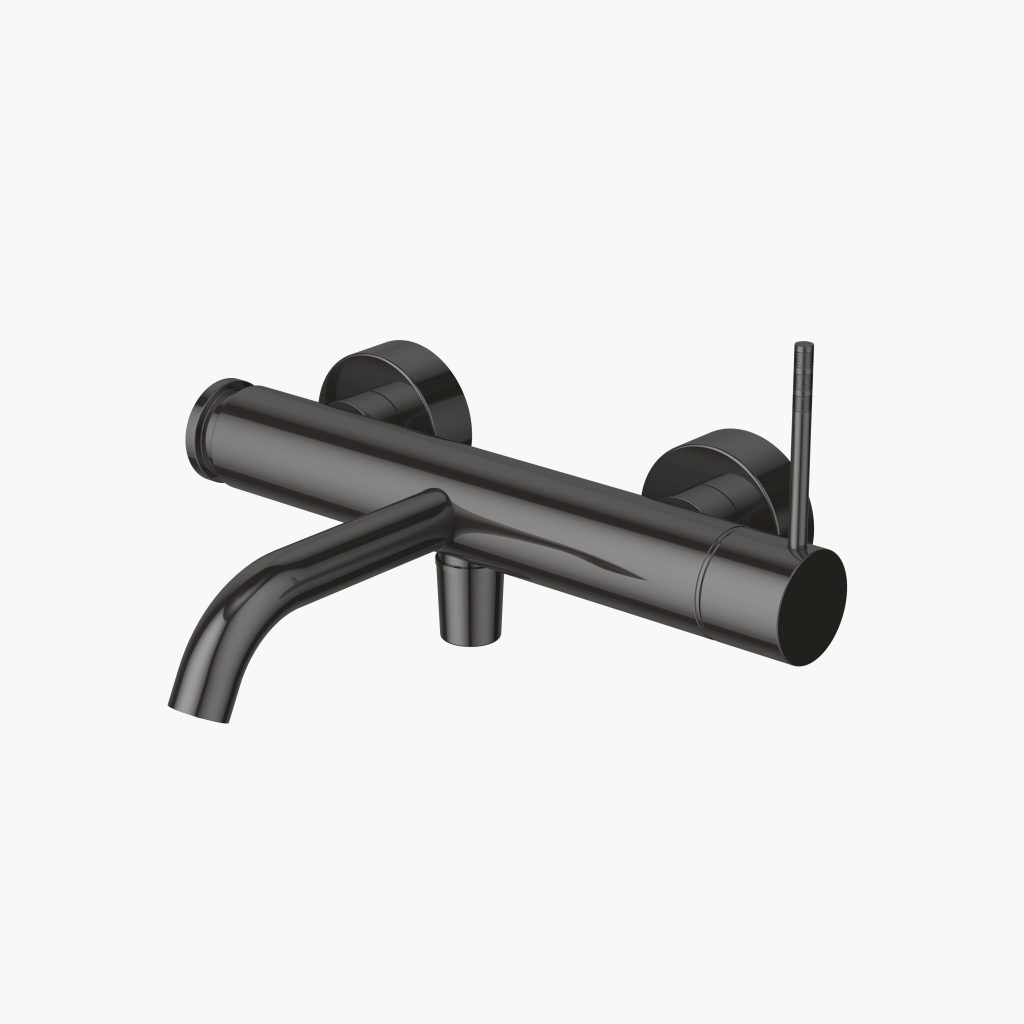
In a multi-outlet shower system, the valve routes water to different paths. Each path can have different resistance. Some outlets can demand more flow. Some can be more restrictive. If your system is not designed for stable distribution, you may notice that one outlet feels strong while another feels weak.
You may also notice that the flow drops when you switch outlets. That is not always the shower head. It is often the routing behavior of the system and the resistance in the paths.
This upstream control logic is similar to why a floor-mounted bath mixer can influence comfort across multiple outlets in real bathroom layouts.
Why Switching Can Feel Inconsistent
Switching is not just a mechanical action. It changes how water moves through the system. It can change the pressure balance. It can change how hot and cold streams mix. If the valve and plumbing do not handle that change smoothly, the experience can feel inconsistent. The spray may thin out. Temperature may shift. Comfort drops fast.
This is one reason the same rated GPM can feel different. The rating does not cover switching behavior or outlet routing.
Flow Rate vs Shower Comfort — Why Numbers Don’t Equal Experience
Shower comfort is not only about “more.” Comfort is about a steady, predictable feel. A stable shower at a modest flow can feel better than an unstable shower at a higher flow. What people usually want is a consistent stream and a temperature that does not wander.
That is why the system matters so much. When the valve and plumbing deliver a steady flow, the shower feels full. When the delivery fluctuates, the shower feels weak or uneven, even if the label looks fine.
Why Changing the Shower Head Alone Often Doesn’t Fix the Problem
When a shower feels weak, people naturally look for the easiest change. That is the shower head. They search for how to increase the shower head flow rate and hope a new head will solve it.
Many times, it does not. If the valve or plumbing is the bottleneck, the shower head cannot pull more water than the system can deliver. In some cases, a new shower head can even make the situation feel more sensitive, because it highlights the system’s limits.
A better approach is to confirm where the restriction is before you spend time and money swapping parts.
How to Diagnose Shower Flow Problems in Real Bathrooms
You do not need advanced tools to start diagnosing. You need clear observations and one simple measurement.
First, notice patterns. Does the shower weaken at certain times of day? Does it weaken when other fixtures run? Does it change when you switch outlets? These clues tell you whether the issue is supply, layout, or routing.
Next, get a baseline. A simple first step is to learn how to measure shower flow rate with a basic bucket-and-timer test. This does not fix the issue, but it helps confirm whether the problem is delivery-related rather than a shower head problem. Once you know the delivered flow, you can judge whether the system is underperforming or simply behaving as expected.
If switching outlets causes the biggest drop, look upstream. If the shower weakens when other fixtures run, think about pressure behavior and supply conditions. If the shower is always weak, consider pipe size, long runs, and valve resistance.
Designing for Consistent Flow, Not Just Higher GPM
If you want a shower that feels good every day, focus on consistency. Aim for a system that can deliver stable flow under real conditions and across the outlets you plan to use.
This is where shower system design matters. Valve selection matters. Routing matters. In many modern bathrooms, a concealed shower valve layout helps keep the look clean, but it also places more importance on choosing a valve that manages flow and switches smoothly.
In floor-standing installations, the system’s upstream control becomes even more central. You are not just choosing a shower head. You are choosing how water will be managed before it reaches the head.
ITAVA Shower Systems and Real-World Flow Stability
ITAVA focuses on modern bathroom systems built around clean layouts and practical performance. In a floor-standing shower system, the valve and concealed installation play a major role in how water is routed and how stable the flow feels in daily use. When you plan the shower as a system, not as a single part, you get results that hold up better in real bathrooms.
In minimalist layouts, a freestanding tub such as the TBF-06 freestanding bathtub often shares the same system-level planning considerations as the shower area.
FAQ
Q1: Why do two showers with the same GPM feel different?
A: The rating is measured under test conditions. Real bathrooms add valve resistance, pipe length, fittings, and pressure changes. Multi-outlet routing can also change how the shower feels.
Q2: Does valve design affect shower flow rate?
A: Yes. The valve can add resistance and can affect how smoothly the flow is delivered and adjusted, especially during switching and temperature changes.
Q3: Can pipe size change how a shower feels?
A: Yes. Smaller pipe size and long runs can reduce delivered flow. More turns and fittings also add friction, which can weaken the shower.
Q4: Why does my shower get weaker when I use another outlet?
A: In a multi-outlet shower system, flow is distributed between paths. If the system is not designed for stable distribution, switching can reduce flow or change comfort.
Q5: Is higher GPM always better for shower comfort?
A: Not always. A stable, consistent shower at a moderate flow often feels better than a higher flow that fluctuates due to pressure or system limits.