

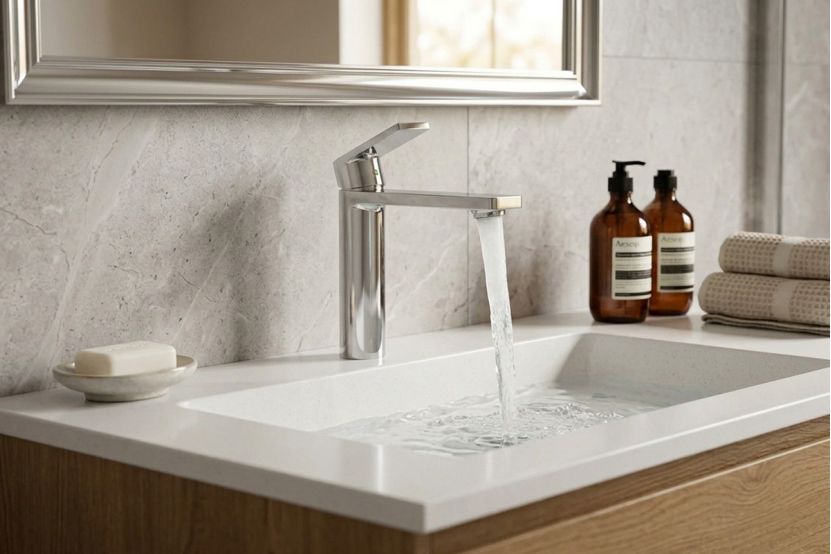
When picking a water saving bathroom faucet, the idea sounds simple. Then you look at your own sink. You still ne ed a good flow to wash your hands, shave, and get ready fast. Nobody wants a sad, weak trickle when they are rushing to work. This is the big fear behind searches for a low flow bathroom faucet. You want to save water. But you do not want your sink to feel cheap or bad. EPA guidelines make this clearer. A good bathroom sink faucet uses at most 1.5 gpm. This drops water use by 30 percent compared to the old 2.2 gpm rule. It still passes tests for normal daily jobs.
ITAVA fits well here. Their brand creates custom kitchen and bath designs. They focus on full rooms, not just hardware bits. Their work mixes top quality with smart design. They believe mixers must be timeless and strong. They must fit real spaces and real people. This is key. When a faucet matches the room, you get better choices for height and style. That is exactly how a low-flow sink feels great every day.
What Is a Water Saving Bathroom Faucet?
A good water-saving tap is not just a tap that drops less water. At home, the aim is to stop waste while keeping the flow nice for normal use. Many buyers miss this point. And honestly, this is why people buy the wrong stuff.
How a Water Saving Bathroom Faucet Works
A water saving bathroom faucet controls flow at the tip. It often uses a small part like an aerator. EPA says certified faucets and parts are tested for saving water and providing enough flow. The goal is not to kill the stream. The goal is to use water more smartly. Often, just changing how the tip works makes the water feel much better than the basic gpm number says.
Is 1.5 Gpm Enough for a Bathroom Faucet?
For most houses, yes, it is. EPA states a labeled bathroom sink faucet must give at least 0.8 gpm at 20 psi. This makes sure it handles basic bathroom jobs even if the pressure is low. EPA also says 0.5 gpm taps belong in public places. Home sinks need a bit more water and faster hot water. So, if you ask, is 1.5 gpm enough for a bathroom faucet, the answer is yes. In some spots, you can even find 1.0 to 1.2 gpm types.
Why Does a Low Flow Bathroom Faucet Not Always Feel Weak?
This fact changes many minds. The spec sheet number is important. But it is not the whole truth. A faucet can save water and still feel great. The stream just needs a smart shape and a good sink match.
Flow Rate and Bathroom Faucet Water Pressure Are Not the Same
Bathroom faucet water pressure and flow rate are linked together. But they are not the same thing. EPA testing proves this by checking taps at 60 psi and 20 psi. So, does a low flow bathroom faucet drop water pressure? Here is the real answer: the tap limits the water amount. Weak pressure often comes from your house pressure, bad pipes, or a bad tap design.
What Makes the Stream Feel Better in Real Use
A nice stream needs good balance. You need enough water and a steady shape. The faucet height must fit the bowl. If the spout is too low, too high, or too far away, washing feels messy. The tap itself might be fine. That is why the exact same flow rating feels great in one room and terrible in another.
What Causes Weak Flow in Real Homes?
Before you blame the tap, look at the small parts nearby. In real houses, a weak flow often comes from simple things. It is boring advice. But it stops you from buying new taps for no reason.
A Clogged Aerator
The aerator is tiny, but it changes everything. EPA points out that parts like aerators are great for saving water. They also shape the water flow. If that tip is dirty or full of hard minerals, the tap suddenly feels super weak.
Partly Closed Valves or a Restricted Supply Path
If a bathroom faucet worked fine and then went weak, check under the sink. A half-closed valve, a bent hose, or pipe dirt can ruin the flow. This problem is often called a bad low flow bathroom faucet by mistake.
Low Household Pressure
Some houses just have weak pressure. Old buildings and top floors see this a lot. Buying the lowest flow rate here is a bad idea. EPA’s minimum rule is there for a reason. You still need enough water to wash up.
How to Improve Bathroom Faucet Flow Without Wasting Water?
If you want to learn how to improve bathroom faucet flow, do not just buy the highest GPM. Better fixes come from matching the tap, sink, and tip. Then, check the basic pipes.
Match the Faucet to the Sink
A good bathroom mixer list helps here. ITAVA’s page shows 2-hole basin mixers, 3-hole basin mixers, single-lever basin mixers, and single-lever high basin mixers. This choice is vital. A bowl sink needs a taller tap. A normal sink needs a shorter one. A bad match makes splashing and weak flow worse, even if the tap is awesome.
Check the Small Parts First
If only one sink feels weak, check the aerator. Then look below the sink. A fast check works better than guessing from online posts. A WaterSense bathroom faucet or part is a smart choice here. The EPA rule checks both saving water and giving a good daily flow.
Choose a WaterSense Bathroom Faucet
A WaterSense bathroom faucet is a safe, fast pick. EPA says these are tested and come in many styles. They can save a family 700 gallons of water a year by swapping old parts. That is a big number. And it does not make your sink awful to use.
How to Choose the Best Water Saving Bathroom Faucet?
The best water saving bathroom faucet is not the one with the lowest paper score. It is the one that fits your sink. It must match your house pressure. It must feel easy to use every single day. Comfort and saving must happen together.
Pick the Right Mixer Format
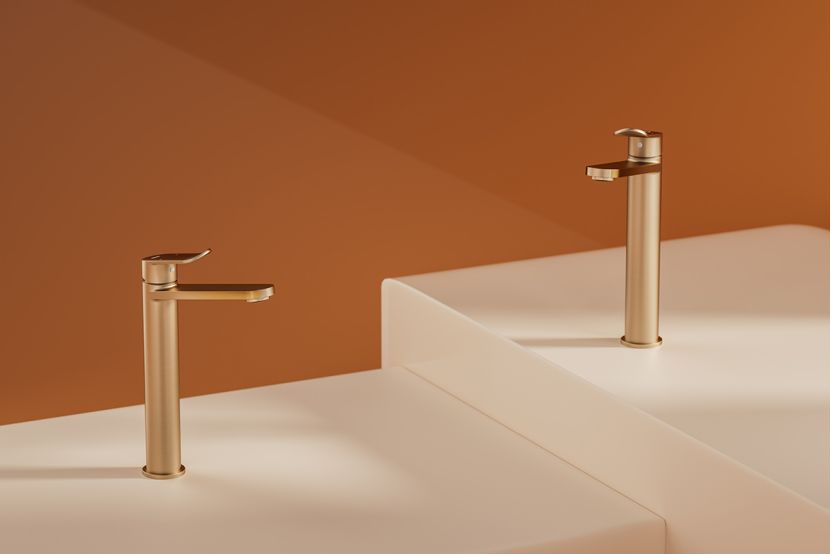
For easy daily use, pick the shape first. A single-lever basin mixer is very simple. A 2-hole or 3-hole layout fits classic or wide sinks. A high basin mixer fits raised bowls nicely. ITAVA joins function with beauty. You can see this in their smart choices.
Think About Finish, Daily Use, and Support
Looks still count. You touch a bathroom faucet every day. The finish, handle feel, and easy cleaning matter a ton. ITAVA offers custom help for shops and designers. This is handy if your home needs a special answer, not just a box off the shelf.
FAQ
Q1: Does a low flow bathroom faucet reduce water pressure?
A: Not on its own. Flow rate is the amount. Pressure comes from pipes. A lower-flow tap still feels good if the design is smart and the home pressure is okay.
Q2:Is 1.5 gpm enough for a bathroom faucet?
A: Yes, for most. EPA states that labeled bathroom sink faucets can use 1.5 gpm. They still give at least 0.8 gpm at 20 psi for face washing.
Q3:Why is my bathroom faucet’s flow weak?
A: Check simple stuff. A dirty aerator, a half-closed valve, or weak house pressure can ruin flow. The tap rating might be fine. Start with the aerator.
Q4: How to improve bathroom faucet flow without replacing the faucet?
A: Clean the aerator tip. Check the shut-off valves. Make sure pipes are clear. A labeled aerator is a cheap way to fix old taps.
Q5: What is the best water-saving bathroom faucet for a modern home?
A: The best one fits your sink shape and home pressure. It offers a nice stream and the right height, not just the lowest number.