

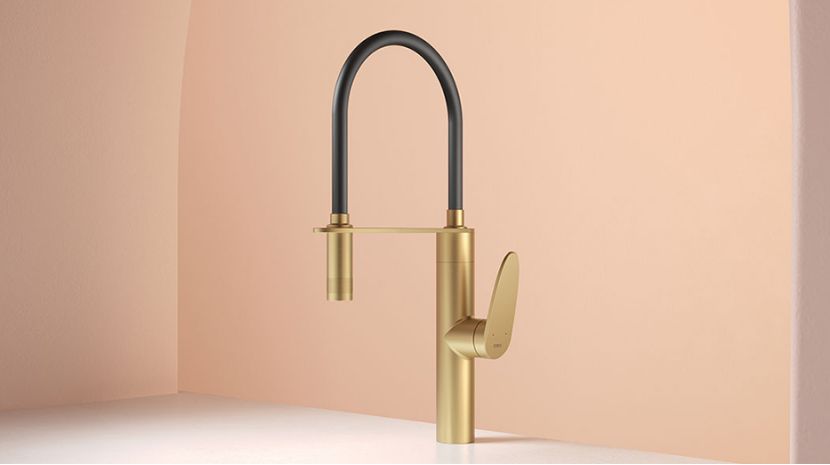
Your kitchen mixer is more than just a faucet. Yes, the mixer is a faucet, but there are important differences between mixers and faucets, most notably the materials used to build them. Materials used in kitchen mixers affect how long a product will last, and how much or how little trouble it will be to own it.
As a faucet that is subject to the constant effects of water, heat, cleansers, and other elements, the various materials found in mixers differ greatly in how they perform over time. While some materials can withstand normal use and clean-up, others require special maintenance in order to last at all. Others will corrode more quickly than others.
Why Do Kitchen Mixer Materials Matter?
Because the kitchen is a highly trafficked area of the home, the amount of use your mixer will receive on a daily basis includes hot water, often hard water, and occasionally acidic or abrasive cleaners to name a few. The material of a product will greatly determine its durability as well as its ability to resist corrosion.
Also, some products will weigh much more than others due to the materials used. For example a cheap zinc alloy kitchen mixer tap may look ok at first but within a few months can begin to leak or show signs of surface wear. Compared to this a brass or stainless steel kitchen mixer tap will have a much longer life and will require minimal maintenance in the long term. So, by purchasing a durable kitchen tap in the first place you will save a lot of problems in the long run.
Most Common Kitchen Mixer Materials
Material choices are largely based on the combination of the durability of materials, their look and price. We’ve talked before about brass mixer taps, made from a solid material, naturally corrosion resistant and great for looking stylish and feeling solid in the hand. They can take high water pressure without bending. Stainless steel is corrosion resistant too and very easy to clean.
Many finishes are also corrosion resistant, including brushed nickel and chrome and are great for kitchen designs. Lower cost materials such as zinc alloys and plastic are found in budget kitchens and can look great for the price but do not last as long as other materials for high use kitchens.
Brass Mixer Tap
Brass is an ageless metal, used in the best bathroom fittings as it is resistant to hard water and high temperatures and will not leak. A rub down with a metal polish every now and then will keep it looking as good as new and it has a nice heavy weight to it which feels quality.
Stainless Steel Mixer
Our Stainless Steel mixers are made from durable rust free materials and are easy to clean, making them the ideal choice for the modern kitchen. With proper care these mixers can last for decades. Some manufacturers incorporate the ceramic valve components into the stainless steel body of the mixer to reduce drips.
Other Materials
Plastic or cheaper alloys are lightweight and inexpensive for less used sinks. However they can warp or discolour over time and lack the feeling of weight of better materials such as brass or steel.
How Do Finishes Affect Longevity?
Even though the finish on your mixer tap is one of the aesthetic aspects of your choice, a good quality PVD coating, or brushed nickel or polished chrome finish for example, can provide great protection to the underlying metal from scratches, water marks and corrosion. The minor wear and tear that will occur on any kitchen mixer over time could potentially lead to leaks, but a good quality finish can help prevent this.
As with any material even the best can benefit from a protective surface coating, particularly in homes with very hard water or that are used frequently and require regular cleaning. In addition to protecting the body of the mixer from wear the finish also affects how easy the product is to clean and maintain.
Why Are Internal Components Important?
A robust exterior does not save you from leaks caused by failing internal parts. So even a robust outer shell will not save you from failing parts like ceramic cartridges, hose connections and sprayhead connections. Low-cost faucet mixers are often made of plastic or of low-value metals, which cause leaks quickly or wear out soon. Mixers with proven kitchen faucet parts prevent repairs and exchanges.
Can Material Choice Match Your Kitchen Environment?
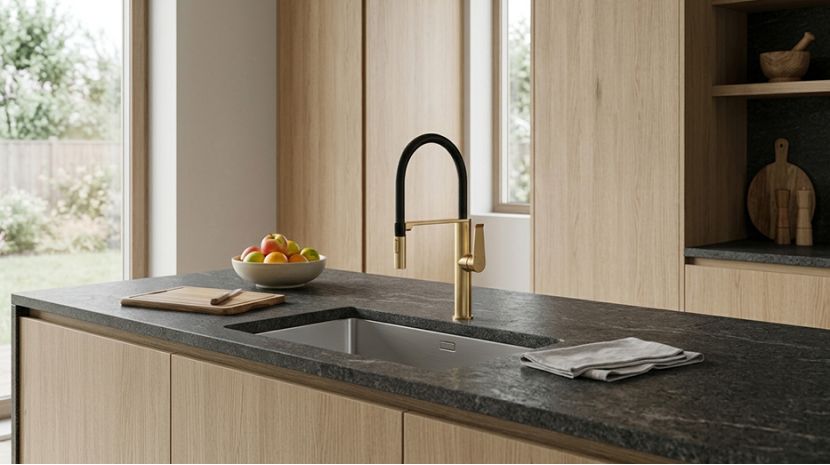
Factors that define a mixer suitable for a specific setting are Hard water areas, Frequent use, Large family kitchens. The durable mixers are those containing Brass or Stainless Steel. For contemporary kitchens a brushed finish of Stainless Steel would blend well with existing white goods. For classic kitchens a polished finish of Brass would enhance wood finished cabinets. Consider your setting when purchasing and you will be able to combine the best of durability and style for years to come.
How To Make Your Kitchen Mixer Last Longer?
Extend the life of your mixer by choosing solid construction over hollow, avoiding strong cleaners, and periodically checking the hoses and cartridges. Heavier mixers with solid construction typically contain better quality internal parts. Simple wiping with a mild soap solution on a regular basis will keep both the finish and internal parts of your mixer in good shape. Many mixers have individual parts that can be replaced. Investing in quality parts initially will save you money in the long run.
ITAVA Global is offering a range of kitchen mixers that deliver a perfect blend of style, durability of materials and most importantly of all design. They use the very best stainless steel and brass for all the parts, plus ceramic valves for maximum durability.
All of their finishes have been carefully considered and the internal build quality has been maximized to deliver a kitchen mixer to suit any style of kitchen from a modern apartment to a busy family home. For more information please visit their official website or the main ITAVA company page.
FAQ
Q1: What are the best kitchen mixer materials?
A: The best kitchen mixer materials are brass and stainless steel because they are most durable and resistant to corrosion.
Q2. Are cheaper mixers worth it?
A:Yes. For low use areas they are adequate but will wear fast and probably leak sooner.
Q3. How does finishing affect the life of a mixer?
A:The lifespan of a mixer is protected by PVD, brushed nickel and chrome coatings from scratches, corrosion and water damage.
Q4: What internal cleaning equipment parts help to make the cleaning equipment more durable?
A: Ceramic cartridges, robust hoses and first-class spray nozzles.
Q5. Will the materials I choose match the style of my kitchen?
A. Yes. Stainless steel is ideal for modern kitchens and polished brass is perfect for more traditional kitchens.