

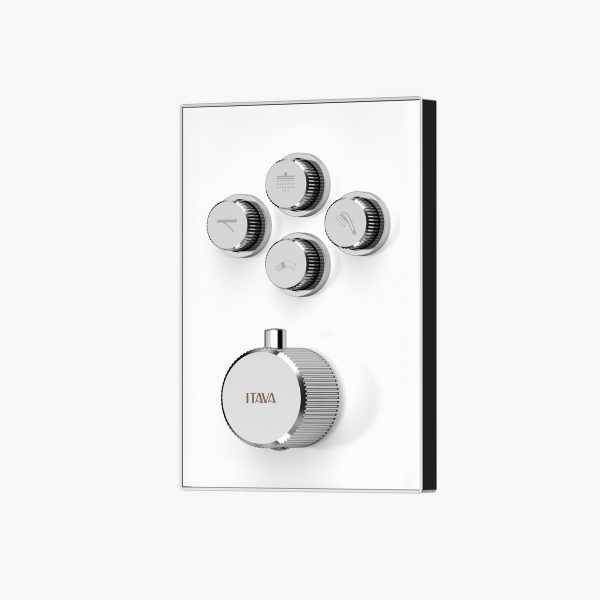
Bathrooms age fast. One year in, shiny trim can look tired, limescale shows up in awkward corners, and a small temperature wobble turns into a daily annoyance. For project buyers, designers, and installers, that creates a simple rule: the best-looking shower is the one that still looks and works right after real use. A concealed thermostatic shower mixer helps you get there. It keeps the wall clean, supports stable temperature control, and makes long-term care more predictable for many bathroom shower layouts.
Why Concealed Design Matters in Modern Bathrooms
Clean lines are not just a style choice. They change how the whole room feels, especially in smaller spaces. With a concealed shower setup, the bulky valve body sits behind the wall, while the user-facing controls stay tidy and minimal. This fits modern bathroom design trends where tile, lighting, and storage should lead the eye, not exposed plumbing.
Cleaner Sightlines With a More Cohesive Finish Story
Concealed trim reduces visual clutter around the shower zone. That makes it easier to align grout lines, centre niches, and keep symmetry across the wet wall. Designers also get more freedom to match finishes across the wider bathroom instead of being boxed in by a large exposed mixer shape.
Practical Gains in Tight Bathrooms
Space in front of the shower matters. A slimmer front profile can reduce knocks and bumps in narrow shower rooms and compact enclosures. It is a small detail that becomes very noticeable when the bathroom gets used every day.
Stable Temperature Control Without a Busy Wall
Even well-finished showers can trigger complaints when temperature control is unstable. A thermostatic shower mixer holds a set temperature as water supply conditions change. In real life, those changes happen all the time: taps open, appliances draw water, and other bathrooms run at the same moment.
Temperature Stability That Feels “Set and Forget”
Thermostatic control helps users stop chasing the perfect setting every morning. You set the temperature, then the valve does the work of balancing. This is one of the biggest reasons a concealed thermostatic setup fits family homes, rentals, and hospitality projects where many different people use the same shower.
Better Fit for Multi-Outlet Shower Systems
Once you add overhead and hand showers, plus body jets in some cases, your project becomes a shower system rather than a basic fixture. One well-selected shower mixer valve can support consistent performance across outlets while keeping the wall calm and uncluttered. That is the sweet spot: strong function, quiet design.
Safety Features That Support a Safe Shower
Safety is not only a concern for medical sites. It matters anywhere kids, older users, or guests use the shower without learning its “personality.” A well-made thermostatic shower valve reduces the chance of sudden temperature spikes, which supports a safe shower experience in daily use.
Anti-Scald Behavior That Matches Real Risks
When cold supply drops or pressure shifts, thermostatic designs can react to limit temperature changes. That reduces the sharp surprises that cause users to jump back or rush out. In busy properties, fewer incidents also means fewer angry calls and fewer “this bathroom is unsafe” reviews.
Key safety wins you can point to in a spec sheet discussion or a site walkthrough include:
- Stable outlet temperature during common pressure changes
- Reduced risk of sudden hot surges when cold flow drops
- More predictable performance for children, elderly users, and short-stay guests
- Less time spent “teaching” users how to avoid temperature swings
Less Protruding Hardware in the Shower Zone
Concealed trim usually leaves fewer edges and corners inside the shower space. For tight bathrooms and shared family bathrooms, it helps reduce knocks. It also makes wipe-down cleaning simpler, which keeps surfaces safer over time.
Long-Term Maintenance Benefits of Concealed Shower Mixers
A common worry sounds like this: “If it’s behind the wall, service will be a nightmare.” That can be true with poor planning. With the right concealed design and a clear service approach, maintenance becomes more straightforward than people expect.
Fewer Places for Scale and Grime to Hide
Exposed mixers create extra seams and curves for limescale to cling to. Concealed trim leaves less surface area, fewer joints, and fewer awkward corners. Cleaning becomes quicker, and the shower keeps its “new install” look longer. Anyone who has tried scrubbing around a chunky handle base knows why that matters.
Cartridge-Focused Service That Fits Project Reality
Wear and water quality issues often show up at the shower cartridge level. That is good news, because a cartridge is a service item. When the system is designed for front access, the cartridge can be replaced during planned maintenance rather than forcing a full tear-out.
Here is a simple, decision-friendly view that many project teams use when comparing concealed and exposed options:
| Aspect | Concealed Thermostatic Shower Mixer | Exposed Shower Mixer |
|---|---|---|
| Visual impact | Clean wall, minimal hardware | Valve body and pipework visible |
| Daily cleaning | Fewer surfaces and joints | More edges for scale build-up |
| Temperature stability | Consistent under pressure changes | More sensitive to flow fluctuation |
| Service approach | Cartridge access via trim | Full body exposed, but visually bulky |
| Long-term appearance | Finish ages more evenly | Surface wear shows faster |
Service Access Without Breaking Tiles
This is the decision point for many contractors and property managers. If a concealed setup forces tile removal for common service tasks, it is a risk. The better concealed thermostatic shower mixer designs plan service access from day one.
Plan Access the Same Way You Plan a Niche
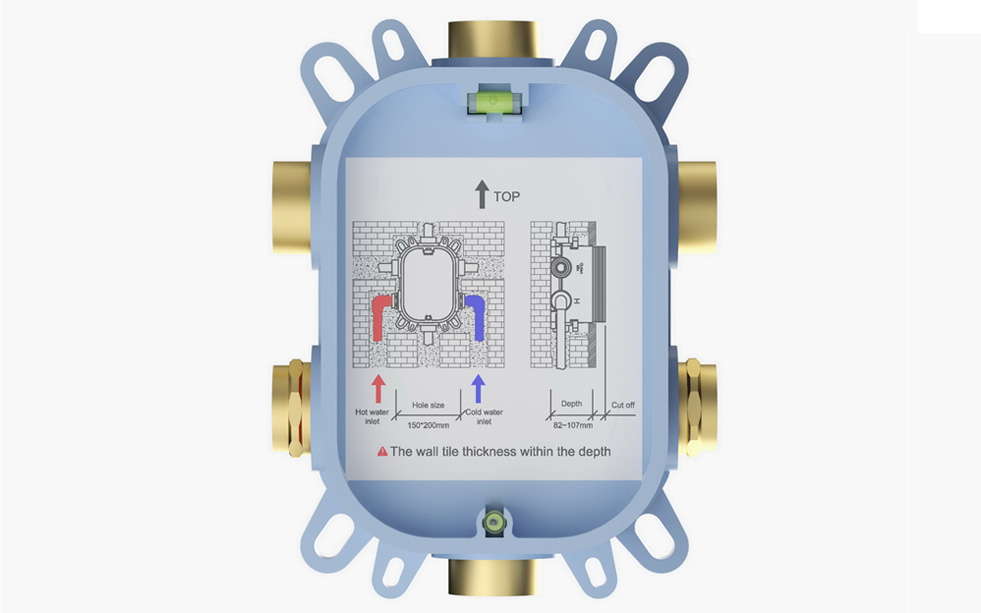
Access should not be “maybe later.” Confirm rough-in depth, trim position, and the service path before the wall closes. When the trim plate area provides practical access, maintenance stays controlled and predictable.
What a “service-friendly” concealed setup usually includes:
- Front-side access for shower cartridge replacement
- No need to remove tiles for routine service work
- Clear rough-in depth references during installation
- A trim area that stays neat after reassembly
What Installers Need for a Smooth Shower Installation
Good shower installation comes down to basics: correct hot and cold orientation, solid mounting, and clear alignment to finished wall depth. When the trim set sits too far out, it looks out of place. If it ends up too deep, daily use feels awkward and service becomes harder later.
Planning Tips for Designers and Contractors
Coordination matters more than fancy language. Concealed thermostatic shower mixers affect design, plumbing, and long-term operation, so a few early checks can prevent problems later. This applies whether you sell a single shower set or full bathroom solutions.
Rough-In Depth and Finished Wall Build-Up
Tile thickness, backer board, waterproofing layers, and wall structure stack up fast. Plan for that stack. The goal is a trim that sits flush, reads clean, and still gives you sensible access for future work.
A quick checklist that keeps projects out of trouble:
- Confirm finished wall thickness before rough-in
- Keep the valve body solidly fixed so trim alignment does not drift
- Mark hot and cold clearly to avoid slow, expensive rework
- Leave a clean service path behind the trim for future access
Outlet Choices and Flow Expectations
Rain heads, hand showers, and jets look great in a render. They demand realistic supply planning in the field. A concealed thermostatic setup can support a complete shower system for bathroom projects, but it cannot fix low supply or poor pipe sizing. Match the outlet plan to actual site conditions, then select the valve set accordingly.
Why This Upgrade Pays Off Over Time
Upfront cost is the easy part to see. Lifecycle cost is the part that wins or loses projects. A concealed thermostatic shower mixer can help reduce cleaning time, keep the wall looking consistent, and cut down on callbacks tied to temperature complaints. In rentals and hospitality, that often means fewer issues during turnovers. In design-led residential work, it protects the original intent, so the bathroom still feels “finished” long after handover.
Why ITAVA Fits Design-Led Shower Projects
When your project needs both a refined look and practical long-term care, ITAVA positions itself around that exact blend. ITAVA describes itself as a global customised kitchen and bathroom brand built around high-end design and “total spatial solutions,” aiming to coordinate products as a complete space rather than isolated parts. The brand also highlights design leadership tied to Itamar Harari and a focus on merging design with daily function. For specialist partners, ITAVA promotes support that matters after installation, including customisation, showrooms, catalogue downloads, and a spare parts catalogue. If you are specifying concealed thermostatic shower systems, that mix of design direction and service continuity helps you sell the concept, deliver the install, and support the product years later.
FAQ
Q1: Is a concealed thermostatic shower mixer harder to maintain?
A: Not if service access is planned. Many issues centre on the shower cartridge, and good concealed designs allow front-side service through the trim area.
Q2: What should be checked before shower installation starts?
A: Confirm rough-in depth, wall build-up, and hot/cold orientation. Those three checks prevent most “looks wrong” and “works oddly” complaints.
Q3: Does a thermostatic shower mixer help in multi-user homes?
A: Yes. Stable temperature control reduces the hot-cold swings that happen when other taps or appliances change water flow.
Q4: Can a concealed shower system work for hotels and rentals?
A: It can be a strong fit. A cleaner wall is easier to wipe down, and stable temperature control can reduce guest complaints.
Q5: What is the simplest way to explain the value to a buyer?
A: Point to long-term results: cleaner design lines, fewer temperature-related issues, and service that focuses on replaceable parts like the shower cartridge instead of full replacements.