

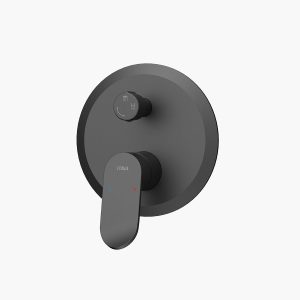
When you plan a bathroom renovation, the shower system is one of the choices that decides how the whole room feels. A concealed mixer shower looks very simple on the wall. Behind that slim plate, though, there is a small “machine” that mixes water, controls flow, and affects every shower. If you want a clean and modern bathroom instead of a messy mix of pipes and bars, this type of mixer is often in your plan. Before you start checking boxes in a catalog, it helps to see why concealed mixer showers are shaping modern luxury bathrooms.
What Is a Concealed Mixer Shower?
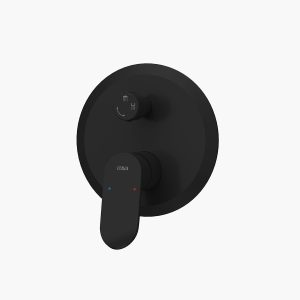
A concealed mixer shower puts most of the working parts inside the wall. The valve body and pipes sit in a box in the wall. On the tile surface, you only see a flat trim plate and one or two handles that control water flow and temperature. The system usually connects to an overhead shower and a hand shower. Sometimes there is also a diverter that lets you pick which outlet you want.
Because so much hardware sits inside, the shower area looks neat. The eye is not pulled to a big metal bar. This suits both compact city bathrooms and larger suites that follow one clear design line.
How a Concealed Mixer Shower Works
If you know the basic idea of how the system runs behind the tiles, choosing a valve gets easier. You are not only picking a nice plate. You are making a choice about water flow, temperature comfort, and how many outlets can work well.
Valve Body, Cartridge, and Concealed Box
In the middle of a concealed mixer shower, there is a solid brass valve body. Inside it sits a cartridge that mixes hot and cold water and guides it to the outlet or outlets. Some valves also hide a diverter inside the same body. Others use an extra part for this. The valve usually sits in a concealed box. This box holds the valve at the correct depth, shields it while the wall is built, and helps later when someone needs to service the parts from the front.
Water Flow and Temperature Control
When you twist the knob, the cartridge shifts the blend of hot and cold water. In a thermostatic mixer shower, the cartridge works to hold the set heat steady. It does this even if another faucet runs in the house. For families, hotels, or shared homes, this tiny point makes daily use quieter and safer.
1-Way, 2-Way, and 3-Way Functions
Concealed mixers come as 1-way, 2-way, or 3-way valves. A 1-way type feeds one shower head. A 2-way mixer often feeds an overhead shower and a hand shower. A 3-way choice might add a spout or body jets. Each added outlet demands more from your water push. If the system is weak, a basic 1-way mixer often works better than a fancy multi-outlet valve in theory.
Types of Concealed Shower Valves
Different concealed valves give a different level of comfort and control. Some types focus on simple use. Some care more about a safe and steady temperature.
Manual Mixer Valves
Manual mixers use one control to manage both flow and temperature. They are straightforward and often cheaper. They suit smaller budgets, guest bathrooms, or places where the pressure is already steady.
Thermostatic Mixer Valves
Thermostatic mixer valves try to keep the shower at the same temperature. You set a number once, then make small flow adjustments while the valve handles the rest. This is common in hotels and modern family homes where many people share the same shower.
Pressure-Balanced Valves
Pressure-balanced valves react more to changes in pressure than to temperature itself. They help reduce sudden jumps when someone flushes a toilet. They are useful in older houses with uneven pipework.
Diverter Valves
Diverter valves move the water between outlets. Some mixers include a diverter on the same plate as the main handle. Others use a separate small control. If you want two or three outlets, you need to check how the diverter is built and how much wall depth it needs.
Advantages of Concealed Mixer Showers
People do not pick concealed mixers only because they look new. They also help with space, cleaning, and layout.
Clean, Minimalist Look
Because most parts sit in the wall, you get a calm and flat view. There is less metal and fewer shapes. Tiles and glass stand out instead of pipework.
Space Saving for Small Bathrooms
In a narrow shower, every bit of space counts. A concealed mixer keeps the handle movement close to the wall. This gives you more room for your arms and for a slim glass screen.
Easier Cleaning on the Surface
You clean fewer parts when there is no exposed bar mixer. Soap and limescale collect mainly on the trim and shower heads, not on the long valve body.
Flexible Layout Options
With a concealed mixer shower, the valve can sit in one place and the outlets can sit in others. You can align them with niches, benches, or windows. This helps make the whole shower feel planned, not random.
Better Compatibility With Modern Designs
Concealed mixers work well with large tiles, walk-in showers, and frameless glass. The style fits many project briefs, from simple city flats to high-end villas.
Installation Requirements and Common Mistakes
Concealed mixers are not hard to use, but the installation stage needs care. Once the wall closes, fixing big mistakes is painful.
Wall Depth and Structural Conditions
The valve body and concealed box need a certain wall depth. Solid walls often have enough space. Stud walls sometimes need extra framing or a small false wall. Deciding this early keeps the project smoother.
Water Pressure and Hot Water System
Each outlet needs a basic level of pressure to feel good. A 3-way thermostatic mixer shower on very low pressure will not feel nice. Old hot water systems may also struggle with big overhead showers. Testing and asking a plumber before you buy is better than guessing.
Plumbing Layout and Maintenance Access
Good layouts let you service the valve from the front. The trim should come off without hurting the tiles, so you can reach the cartridge when needed. If no one thinks about access, even a small leak or a worn seal can turn into a large repair.
Common Installation Errors to Avoid
Typical mistakes include valves set too deep or too shallow, poor waterproofing around the box, and trim plates that end up out of level. All three spoil the clean look, and sometimes they cause long-term problems with moisture.
How to Choose the Right Concealed Mixer Shower
Choosing a concealed mixer shower is easier if you ask a few clear questions.
Match the Valve Type to the Users
Think about who uses the shower. Children and older people usually benefit from a thermostatic mixer. A manual mixer can be enough for a guest bathroom or a rarely used space.
Consider Room Size and Layout
Smaller rooms often work best with one main overhead shower and a simple hand shower. Larger rooms can handle more outlets and more complex layouts. Drawing a simple sketch helps you see what makes sense.
Check Water Pressure and System Compatibility
If the pressure is low, a 1-way valve or pressure-balanced model is safer than a big multi-way mixer. If pressure is strong and hot water is steady, a thermostatic mixer with two or three outlets can be a pleasure to use.
Think About Future Maintenance
Look for valves with front access and trim that comes off without tricks. One day someone will have to change a cartridge. If the design makes this easy, you will be glad you thought about it.
After you look at valve type, room size, and pressure, you can explore concealed shower mixers from the ARON series, which offer setups that suit both renovation work and new build projects.
Concealed Mixer Shower in Renovation vs New Build
New build projects give you a lot of freedom. You can plan wall depth, pipe runs, and outlet positions from day one, so concealed mixers fit very well. In renovations, you may need to work with thin walls, old pipes, or tight budgets. Even so, many installers fit concealed systems by using slim boxes or small layout changes. The key is to check what you have on site before you order parts.
Conclusion
A concealed mixer shower can change how a bathroom looks and feels. By hiding the valve in the wall, you get more space, fewer sharp lines, and a calmer shower area. The system does ask for planning. Wall depth, water pressure, valve type, and access all matter. If you spend a bit of time on these points, the shower usually works well for many years.
If you are moving from planning to real products, reviewing ARON concealed mixer solutions for bathroom projects can help turn these ideas into working choices on site.
Why ITAVA Is Your Partner
ITAVA is a global kitchen and bathroom brand that focuses on original design and solid build quality. The company works with designers and project teams to create complete bathroom sets, from concealed shower valves and mixers to furniture and smart fixtures. Each collection aims to keep one clear style so the space feels like a whole, not a mix of random pieces. For residential projects, hotels, and higher-end home upgrades, ITAVA offers options that handle daily use while staying close to modern design trends.
FAQ
Q1: Can a concealed mixer shower work in a small bathroom?
A: Yes. Because most parts sit inside the wall, the shower feels less crowded and the glass line looks cleaner.
Q2: Is a concealed mixer difficult to maintain?
A: Most modern valves have front access. You take off the trim and reach the cartridge, so normal service does not touch the tiles.
Q3: Do I need strong water pressure for a concealed mixer?
A: A single outlet can run on modest pressure. If you want two or three outlets, stronger pressure gives a better shower.
Q4: Should I choose a thermostatic or manual mixer?
A: Thermostatic mixers hold the temperature steady and suit shared bathrooms. Manual mixers are fine for simple layouts or light use.
Q5: Can a concealed mixer be installed in an older home?
A: Yes, but you should check wall depth, pipe state, and pressure first. Often a shallow box or small wall change makes the installation possible.