

When you renovate a bathroom, the shower layout often decides whether the space feels basic or genuinely upgraded. One of the first choices looks simple but isn’t in real projects: should you use a built in mixer shower or keep an exposed shower system? Both can work. The real issue is which option fits your room size, budget, plumbing, and the people who will stand under that shower every day.
Quick Comparison of Built In Mixer Shower vs Exposed Shower
Before you get lost in the details, it helps to see the main differences side by side. A built in mixer shower hides the valve and most pipework in the wall, while an exposed shower keeps the mixer body visible on the surface. That single change affects design, space, installation, and future repairs.
You can keep one simple idea in mind: built in usually means cleaner lines and more planning, exposed usually means less work and easier access.
Built In Mixer Shower
- Valve and pipes concealed in the wall
- Clean, minimalist look
- Good for tight spaces and luxury projects
- Higher skill and labour during installation
Exposed Shower
- Valve body mounted on the wall
- Visible bar or body becomes part of the look
- Straightforward to fit and replace
- Ideal for quick upgrades and light renovations
How Each System Works
Once you see how each shower type is built inside, later trade-offs feel more logical. You can then match what you read with your drawings instead of guessing from catalog photos.
What Is a Built In Mixer Shower?
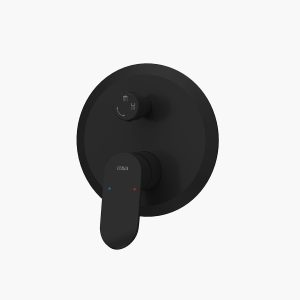
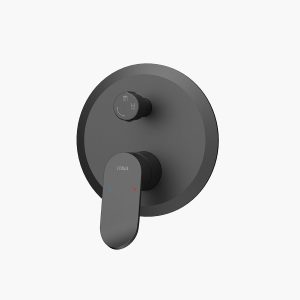
A built in mixer shower, often called a concealed mixer shower, places the valve body, connections, and most pipes inside the wall. Only the trim plate and handles sit on the surface. Hot and cold water enter the valve, mix to the temperature you set, then flow to an overhead shower, hand shower, or other outlet.
In practice, you see a flat control panel and neat tiles instead of a chunky bar. This suits modern villas, apartments, and hotel rooms, especially when you pair it with a slim overhead shower and a simple hand shower kit.
What Is an Exposed Shower?
An exposed shower keeps the mixer and sometimes the pipes on the face of the wall. The valve can be a bar or a shaped body, but you still see the full unit. Hot and cold pipes connect straight into it, and water runs out to the shower head through a short visible pipe or bracket.
You often meet this style in older bathrooms or fast renovation jobs where opening the wall is not realistic. In classic or industrial interiors, that visible hardware is sometimes the whole point.
Design and Aesthetics in Modern Bathroom Renovations
Design is usually the first reason you look at a thermostatic mixer shower. If you want a calm, simple room with fewer lines, hiding technical parts helps a lot. A thermostatic mixer shower lets you line up a flat control plate with large tiles, match finishes with other fittings, and keep the focus on light and texture.
Exposed showers create a stronger focal point. In a traditional bathroom with framed tiles and warm finishes, the bar mixer can feel like a familiar fixture. In an industrial loft, the visible pipe and valve add a bit of attitude. You just accept the shower as part of the view.
Space and Layout in Compact Bathrooms
Space planning is where built in mixer showers quietly win many projects. When the wall is clean and the valve does not stick out, the enclosure feels wider even if the footprint stays the same.
In small apartments, guest bathrooms, and narrow shower niches, every centimetre matters. Concealed mixer shower keeps elbows away from hardware and works well with slim glass screens close to the wall. An exposed shower pushes the working parts into the shower area. In a large room, that is fine; in a small corner, it can feel busy and cramped.
Installation and Renovation Complexity
From a project point of view, installation often decides which system you choose. You need to look at wall depth, how much you can open the structure, and how many trades you want involved.
Wall Type and Depth Requirements
A thermostatic mixer shower needs enough depth for the concealed box and pipes. Solid brick or block walls usually allow this. Light stud walls may need extra framing or a small false wall, which adds material and labour but also gives you a cleaner finished line.
Exposed showers sit on finished tiles. As long as the wall is stable and you can bring pipes to the right points, depth is rarely a problem.
New Build vs Renovation Projects
In new builds, adding built in mixer showers is easier because you can plan valve positions and pipe runs early, then coordinate with tilers. In a light renovation where you want to keep most tiles and only swap fixtures, an exposed shower is often more realistic. You avoid heavy demolition, reduce dust and noise, and keep the bathroom out of action for a shorter time.
Maintenance, Repairs and Lifespan
Maintenance is a real concern if you manage several bathrooms or any rental unit. You want something that is simple to clean every week and still manageable if a part fails years later.
Built in mixer showers help with daily cleaning. There are fewer ledges where soap and limescale gather. Many modern concealed valves also let you remove the front trim and reach the cartridge from the room side, which avoids breaking tiles for basic service.
Exposed showers are very simple to repair. If a cartridge or seal fails, the whole valve can often be replaced without touching the wall finish. The trade-off is that the body sits in steam and cleaning products all the time, so cheaper finishes can age faster.
Water System Compatibility and Performance
Both built in and exposed showers can run well, but your water system may suit one type more. If the building has low pressure or mixed pipe sizes, a simple layout sometimes behaves better than a complex one with many outlets.
A built in mixer shower with two or three outlets works best with stable pressure and a reliable hot water source. That gives you a steady flow at a pleasant temperature. Many built in valves use thermostatic cartridges, so the water stays near your chosen setting even when someone turns on a tap elsewhere.
Exposed showers often have simpler paths inside. In older houses with modest pressure or uneven hot water, this can make them a safer choice unless you are ready to improve the whole system.
Cost of Built In vs Exposed Showers
Cost has two parts: what you pay now and what happens over ten or more years. A built in shower mixer usually costs more to supply and fit. You pay for the concealed valve, the box, extra plumbing time, and careful tiling around the controls. In a full renovation this extra work blends into the larger budget.
An exposed shower is cheaper to install. The valve body mounts on the wall and connects to existing pipes, so labour costs are lower. For budget-driven projects or quick flips, that alone can make the decision.
Over time, a well-built system can keep its look longer because less hardware is exposed. If you plan to keep the bathroom for many years, that long-term visual value is worth a thought.
Safety, Comfort and Daily Shower Experience
In daily use, you care more about how the shower feels at seven in the morning than how the plumbing sketch looks. Both built in and exposed mixers can give you a safe, steady shower, especially if you pick thermostatic models that hold the temperature.
Built in shower mixer lets you place controls at a comfortable height, combine a large overhead shower with a hand shower, and keep the layout simple. With less hardware in the way, cleaning is easier and there are fewer hard edges in the enclosure.
Exposed showers still work fine, but you move and clean around the bar or valve body. In a family bathroom that might be no problem at all, or it might be the small thing that annoys you every week.
Which Is Better for Your Renovation?
So which should you choose for your project, built in shower mixer or an exposed shower? There is no single answer, but some patterns are clear. If you are doing a full renovation, can open the walls, and want a modern, calm room, a built in shower mixer usually fits better. You gain space, a cleaner look, and easier cleaning.
If you only want to refresh fixtures, keep most tiles, or deal with awkward pipework, an exposed shower is a sensible route. You get a solid result without rebuilding half the room. Think about how long you plan to keep the bathroom, who will use it, and how much disruption you can accept. That mix usually points you one way or the other.
If you decide that a built in layout fits your project, it is worth reading a dedicated guide on why a concealed mixer shower has become the future of bathroom luxury in modern homes and hotel rooms.
Conclusion
For modern bathroom renovations, both built in mixer showers and exposed showers have a role. Built in systems hide technical parts and support a quiet, high-end look, but they ask for more planning and a higher upfront budget. Exposed showers are fast to install, easy to repair, and friendly for light upgrades.
If you want a bathroom that feels larger, is easier to clean, and lines up with current design trends, a built in mixer shower often comes out ahead. If you are working with tight time, walls you cannot open, or a simple rental refresh, an exposed shower still does a reliable job. In the end the right answer follows your site conditions, water system, and users, not just fashion.
Why Choose ITAVA for Bathroom Projects
If you move toward built in mixer showers in real projects, you also need a supplier that treats both design and engineering as serious work, not decoration. ITAVA is a global customized kitchen and bathroom brand focused on high quality and original design. The company works with international designers to shape full bathroom solutions, from concealed shower valves and mixers to furniture and smart products, so the whole room feels like one family rather than a mix of parts.
ITAVA pays close attention to solid brass valve bodies, reliable cartridges, and trim sets that sit cleanly on the wall. This matters when you specify built in mixer showers for villas, hotels, and modern apartments where long-term use is normal, not special. If you handle residential developments, hospitality projects, or premium home renovations, ITAVA can give you concealed and exposed shower options that match different budgets while keeping a consistent visual style across the bathroom.
FAQ
Q1: How Do You Decide Between a Built In Mixer Shower vs Exposed Shower for a Small Bathroom?
A: In a small bathroom, a built in mixer shower usually feels more open because the valve and pipes hide in the wall and the glass line stays clean. If you cannot open the wall, an exposed shower works, it just sticks out more into the space.
Q2: Is a Built In Mixer Shower Harder to Repair Than an Exposed Shower?
A: With a modern concealed valve, you normally remove the front plate and change the cartridge from the room side, so basic repairs stay simple. An exposed shower is still easier to swap as a whole unit, which suits quick fixes.
Q3: Does a Built In Mixer Shower Always Cost More Than an Exposed Shower?
A: Upfront, yes, because of the concealed valve, the box, and extra labour. An exposed shower keeps the first bill lower and fits quick upgrades where you do not want to touch the walls.
Q4: Which Option Works Better for Rental or Hotel Bathrooms?
A: Thermostatic mixer showers give a cleaner, more upmarket look and are easier for staff to wipe down every day. For very tight budgets or staff areas, exposed showers are fine as long as you pick solid hardware.
Q5: Can You Use a Thermostatic Mixer With Both Built In and Exposed Showers?
A: Yes, thermostatic mixers exist in both styles. They mix hot and cold to a set level and hold it steady, which helps a lot if children, older users, or guests use the shower.