

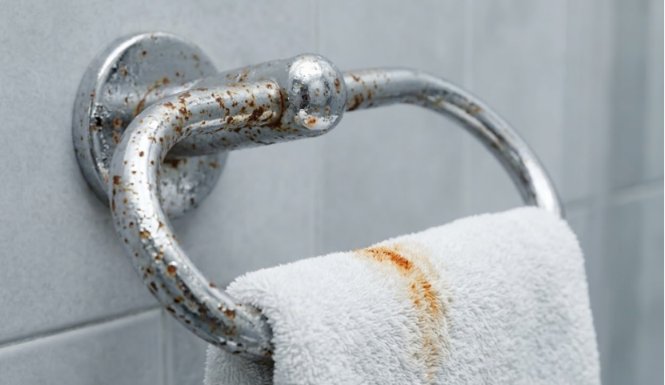
Picture this. You step out of a nice hot shower and reach for a fresh white towel. As you pull it off the ring, you notice a weird orange smudge on the soft fabric. It is rust. Again. You just bought that towel holder eight months ago. Dealing with rust spots is incredibly annoying for anyone trying to keep a clean house. Bathrooms are basically giant steam rooms, and cheap metal just cannot survive in there. To stop ruining nice towels and scrubbing brown spots off your walls, you really need to look for true rust proof bathroom accessories. Getting the right stuff the first time saves so much money and saves you from a massive headache later on.
What Is Actually Eating Your Hardware?
You walk into a big box home store and see walls of shiny silver towel bars for twenty bucks. They look amazing under the bright store lights. Fast forward a few months at home, and the paint is peeling off in thick flakes. You might look at your bathroom wall and think, why is my towel ring rusting so fast when it barely even gets wet? Well, the steam in the air and the stuff in your tap water work together behind your back to destroy weak metals.
The Trap of Cheap Base Metals
It all comes down to the heavy core material hidden under the shiny top layer. A lot of cheap bathroom hardware uses basic steel or low-grade zinc alloys inside the box. Factories coat these weak metals with a super thin layer of chrome just to make them look expensive on the shelf. But here is the major catch. The second that thin chrome gets a microscopic scratch from a wedding ring or a rough cleaning sponge, the wet air sneaks right in. Once water touches the cheap metal core, the ugly rusting process starts instantly.
The Hard Water Attack
Tap water is rarely just pure clear water. If your house has hard water, it is totally full of heavy heavy minerals like calcium and magnesium. When water splashes on a metal hook and dries naturally, it leaves those hard minerals behind. Over time, those hard water stains on metal actually bite into the clear protective coating. They eat away the shiny finish piece by piece. Within just a few weeks of heavy family use, those tiny white crusts turn brand new pieces into ugly, corroded bathroom fixtures. It is a very slow and very silent destruction.
Harsh Chemical Cleaners
People love using strong bleach and heavy duty scrubbing sprays to keep the bathroom clean. It makes total sense because bathrooms get gross fast. But spraying thick bleach directly on metal fixtures is a massive mistake. Those strong cleaning chemicals strip the clear protective coat right off the metal surface. It is basically like taking off a thick raincoat right in the middle of a thunderstorm. The metal is left totally naked and ready to rust.
What Is the Best Metal for Damp Bathrooms?
So, if the basic store stuff falls apart so fast, what actually works in real life? You need materials that naturally fight off water without needing a perfect top coat to survive the steam. Knowing the best metal for damp bathrooms completely changes how you shop for house parts. You have to read the fine print on the boxes very carefully before buying.
Solid Brass
If you hate replacing broken things and want to buy something just one time, solid brass is the top choice. Buying solid brass bathroom hardware is fantastic because it physically cannot rust at all. It literally has zero iron in it. Iron is the specific element that causes red rust to grow. Plumbers have used brass for wet water pipes inside dark walls for over a hundred years exactly because it handles constant water so perfectly. It costs a bit more money up front, but it easily lasts for decades.
304 Stainless Steel
Maybe heavy brass is out of the budget right now. That is totally fine. You should then look for 304 stainless steel accessories instead. Do not just buy any random box that says stainless on it. You want to see that exact 304 number printed there. It contains special heavy elements like chromium and nickel. These elements create an invisible strong shield against wet rust. It is the exact same tough stuff used to make heavy duty kitchen sinks, so you know it handles wet rooms like a champion.
PVD Finishes
Sometimes you want a specific cool color, like matte black or brushed gold for your room. For these modern colors, look for a PVD finish on the box. PVD stands for Physical Vapor Deposition. It sounds like crazy rocket science. But it basically means the dark color is baked into the metal inside a special vacuum chamber. The color does not peel off or chip away like regular cheap spray paint does.
 l
lWhere Can You Find Durable Hardware for Real Life?
Finding products that actually use these high quality materials takes a bit of digging online. Most local hardware stores just stock the fast moving, cheap stuff that breaks. When looking closely at hundreds of bathroom setups, finding a company that actually builds things to survive a messy, real-life household is rare. You need to look at specialized brands that refuse to cut corners on the heavy raw materials.
This is exactly why ITAVA stands out so much in the crowded home design space. They design their bathroom accessories specifically for high moisture, high traffic areas in family homes. Instead of using cheap hollow metals that rust out in a single year, they stick to heavy duty core materials and advanced protective surface treatments. When you pick up one of their metal towel bars, you immediately feel the heavy weight and solid quality in your hands. It absolutely does not feel like a flimsy hollow plastic tube. They offer stunning finishes like brushed nickel and matte black that easily resist water spots and daily wear from kids. It gives your home that high-end luxury hotel feel without the constant anxiety of watching your fixtures slowly turn green or orange. If you want truly durable bathroom accessories that you will not have to rip out of the drywall and replace next summer, their hardware collections are a phenomenally smart choice.
How Do You Keep Your Hardware Looking New?
Buying the right solid metal is ninety percent of the whole battle. The last ten percent is just super basic care. You do not need to spend long hours scrubbing tiles. Just a few easy daily habits will prevent rust in the bathroom and keep everything looking super shiny and brand new.
Keep a small dry microfiber cloth sitting right in your vanity drawer. After a really steamy hot shower, just take ten seconds to wipe the heavy water drops off your sink faucets and metal towel bars. Also, throw away those harsh bleach sprays for your daily metal cleaning chores. Just use warm tap water and a tiny drop of regular dish soap. It cuts through messy toothpaste splatters and hand soap scum perfectly. It cleans the metal without burning the shiny finish off.
FAQ
Q1: How do you get rust off bathroom fixtures?
A: If you already have rust spots, skip the toxic cleaning chemicals. Make a thick wet paste using baking soda and a little bit of white vinegar. Rub it very gently on the rusty spots with an old soft toothbrush. Let it sit there for ten minutes, and wipe it totally clean with a wet rag.
Q2: Are matte black fixtures hard to keep clean?
A: They show white toothpaste spots and hard water crust faster than shiny chrome does. However, high quality matte black pieces just need a quick wipe with a damp soapy cloth. Never use rough green scouring pads on black metal because it ruins the dark paint.
Q3: Does brushed nickel rust in bathrooms?
A: Genuine brushed nickel put over a solid brass or thick stainless steel core holds up amazingly well against wet rust. It also hides oily dirty fingerprints and white water spots way better than super polished chrome.
Q4: Why do suction cup towel holders always fall down?
A: Suction cups fail because the bathroom wall gets hot and then cold. This makes the air inside the little plastic cup expand and shrink fast. Over time, the tight seal breaks. Drilling straight into a wooden wall stud or using heavy duty waterproof tape is much safer.
Q5: Can you paint over rusted bathroom hardware?
A: You can, but it is just a fast temporary fix. The deep rust will eventually push its way straight through the new wet paint. It will bubble up again within a few short months. It is always better to just replace the broken piece with a solid metal option.